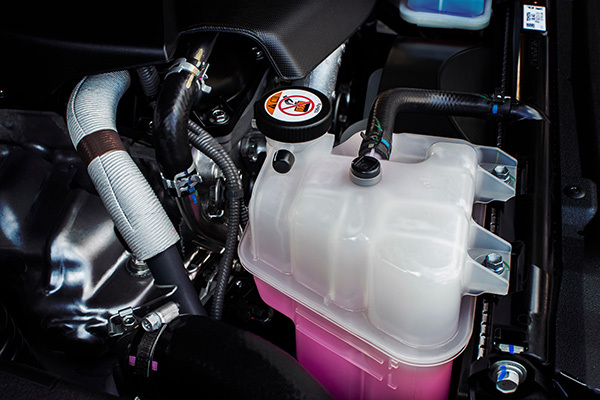
Most drivers are pretty good about oil changes, and at least aware of brakes and tires. Coolant is the one that gets ignored because it usually stays quiet. No squeal, no shake, no obvious warning until the day the temperature gauge climbs and your stomach drops with it.
We’ve seen a lot of cooling systems that could’ve been saved with one routine service, but instead they waited until the car made the decision for them.
Why Coolant Gets Skipped Until It Becomes A Problem
Coolant doesn’t “run out” like fuel, so it’s easy to assume it lasts forever. The reality is that coolant is a chemical mix that ages. Over time, it loses corrosion protection, its pH changes, and it can start leaving deposits in places you really want to keep clean.
A lot of people also confuse topping off with maintenance. Adding a little coolant may help the level, but it doesn’t refresh the additives that protect the radiator, heater core, water pump, and internal passages. If the system is due, topping off is more like adding water to old coffee.
What Coolant Does Besides Keep Temperatures Stable
Cooling is the obvious job, but it’s not the only job. Coolant carries heat away from the engine, sure, but it also protects metal surfaces from rust and electrolysis, lubricates seals in the water pump, and helps prevent scale buildup inside the radiator and heater core.
When those protective additives are used up, problems tend to surface slowly and expensively. A heater core can start restricting, a radiator can lose efficiency, or a thermostat housing seal can start weeping. Then the car runs hotter, the fan works harder, and the whole system is under more stress than it should be.
Signs The Cooling System Fluid Is Due For Service
Sometimes the fluid gives you clues before the car overheats. These aren’t guarantees, but they’re common hints that it’s time to stop guessing and take a closer look.
Even if everything seems fine, a long overdue coolant service can still be overdue. Coolant can be chemically worn out while the car is still driving normally.
Owner Mistakes That Make Coolant Problems Show Up Faster
Mixing coolant types is a big one. Different coolants use different additive packages, and mixing them can reduce corrosion protection or create deposits. Another mistake is using straight water for too long. Water helps in a pinch, but it doesn’t protect against corrosion the way proper coolant does.
We also see people ignore small leaks because the car isn’t overheating yet. A small seep at a hose connection or housing can let air into the system, and air pockets can create hot spots. That’s when an engine can get stressed even if the reservoir still looks “close enough.”
Coolant Flush vs. Basic Drain: How To Choose The Right Service
Not every car needs the same approach. A basic drain and refill replaces some of the old coolant, but it may not remove what’s trapped in the heater core and engine passages. A flush is more thorough, and it’s usually the better choice when the coolant is heavily aged, contaminated, or the service history is unknown.
There’s also a smart middle ground. If the system is clean, the coolant tests well, and the vehicle is on a strict maintenance schedule, a simpler service may be acceptable. But if the coolant looks questionable, the car is running warmer than it used to, or the history is a mystery, going more thoroughly often prevents repeat issues.
A Cost-Smart Plan To Handle Coolant Service Without Guesswork
Start with the facts you can trust: service history and coolant condition. If you know it hasn’t been done in years, that’s your answer. If you’re unsure, checking coolant condition and concentration can help guide the timing, and a quick inspection can catch leaks that should be handled at the same time.
From there, it’s about doing the job completely. That means using the correct coolant type, bleeding air properly, and checking for weak points like brittle hoses, a tired pressure cap, or a thermostat that’s starting to stick. Our technicians would rather help you prevent the overheating than help you recover from it, because the second option is usually harder on your wallet.
Get Coolant Flush Service in Springfield, MO with Complete Automotive
If you’re not sure when your coolant was last serviced, or you’re noticing temperature changes, weak heat, or coolant that looks dirty, we can help you get ahead of it. We’ll check the system, recommend the right coolant service for your vehicle, and make sure it’s filled and bled correctly.
Get coolant flush service in Springfield, MO with Complete Automotive, and we’ll help you keep the cooling system reliable before the next hot day forces the issue.