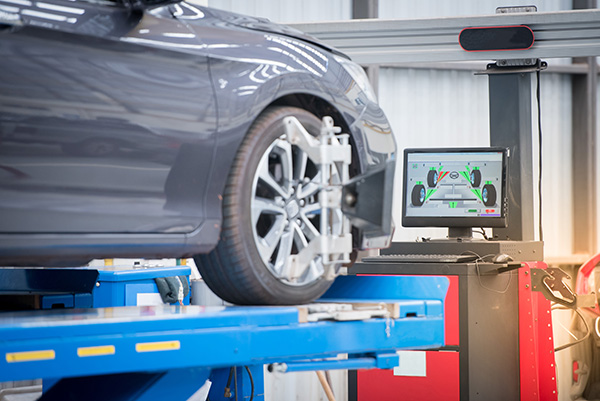
Wheel alignment is not something drivers always think about after an auto repair. The car goes into the shop for suspension work, steering parts, tires, or damage repair, and the main concern is getting that problem fixed. Once the repair is done, though, the wheels still need to point in the right direction.
Some repairs can change the position of parts that control the tire angle. Even a small change can affect steering feel, tire wear, and how straight the vehicle tracks. That is why alignment should be part of the plan after certain repairs, not treated as an afterthought later.
Suspension Repairs Can Change Wheel Angles
Suspension parts help hold the wheels in the correct position while the vehicle moves, turns, and absorbs bumps. When parts like control arms, ball joints, struts, shocks, bushings, or knuckles are replaced, the wheel angle can change. The repair may be done correctly and still leave the alignment out of spec.
That does not mean the repair caused a problem. It means the new part restored the vehicle to a different position than the worn part had been holding. A sagging or loose suspension component can hide alignment issues for a while. Once the new part is installed, an alignment brings the tire angles back where they belong.
Steering Parts Need Alignment After Replacement
Tie rods, steering racks, drag links, center links, and related steering parts can directly affect toe angle. Toe is the angle between the tires and the vehicle's centerline. If it is off, the tires can scrub against the road instead of rolling cleanly.
A tie rod replacement is one of the clearest examples. The part controls steering position, so replacing it without aligning the vehicle can leave the steering wheel crooked or cause the tires to wear quickly. If the car has had steering work, a wheel alignment is usually the proper next step.
Struts And Control Arms Are Big Alignment Triggers
Struts and control arms deserve special attention because they influence how the wheel sits under the vehicle. Replacing a strut can affect camber, which is the inward or outward tilt of the tire. Replacing a control arm can change camber, caster, or toe, depending on the vehicle design.
Drivers sometimes notice the car feels better after these repairs, but it still pulls slightly, or the steering wheel is no longer centered. That is a sign the mechanical repair helped, but the alignment still needs to be set. A proper inspection after the repair helps confirm everything is tight before the alignment is performed.
Collision And Curb Damage Can Shift Alignment
A vehicle does not need a major crash to lose alignment. Hitting a curb, pothole, parking block, or road debris can bend or shift parts underneath the car. Even if nothing looks badly damaged from the outside, the alignment can change enough to affect tire wear.
Collision-related repairs can also require alignment afterward. Replacing wheels, suspension parts, subframes, steering components, or damaged mounting points can all change the vehicle’s geometry. If the car hits something hard enough to need repair, it is better to verify the alignment before assuming the tires are still tracking correctly.
Tire And Wheel Work Can Reveal Alignment Problems
Installing new tires does not usually throw off alignment by itself, but it can reveal an existing problem. Fresh tires make uneven wear, pulling, vibration, or steering issues more noticeable because the old tire wear pattern is no longer masking the condition. That is why many shops recommend checking alignment when new tires are installed.
Wheel replacement can also raise alignment concerns if an impact damages the old wheel. A bent wheel is often only part of the story. The same hit may have affected the suspension or steering. Checking the alignment helps protect the new tire and wheel from premature wear.
Why Alignment Protects The Repair You Just Paid For
Skipping alignment after alignment-sensitive repairs can waste money. New tires can start wearing unevenly. New suspension parts can be placed under extra stress. The steering wheel can sit off-center, and the car can pull even though the main repair was done.
Alignment is not only about keeping the vehicle straight on the road. It also helps the suspension, steering, and tires work together the way they should. Regular maintenance gives drivers a chance to catch tire wear patterns early, but alignment after certain repairs is what helps protect the work that was just completed.
Get Wheel Alignment In Springfield, MO, With Complete Automotive
Complete Automotive offers wheel alignment at both Springfield, MO, locations and treats it as part of the repair process whenever a job can throw off the vehicle’s alignment.
If your car recently had suspension, steering, tire, wheel, or impact-related repairs, contact us to schedule an appointment.