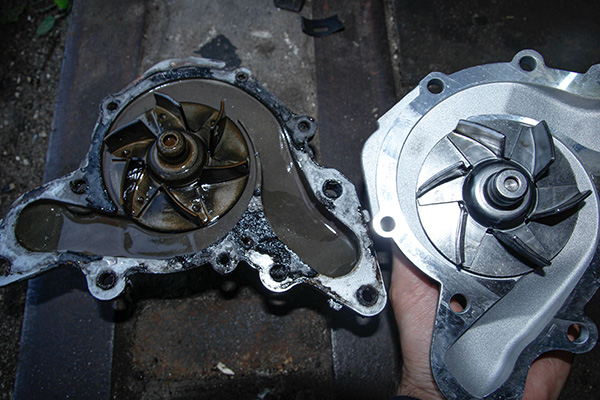
The water pump does its job quietly under the hood, which is why the early signs can be easy to shrug off. You might notice a faint coolant smell after a drive, a small damp spot under the front of the vehicle, or the temperature gauge sitting a touch higher than you remember.
The problem is that a weak water pump does not improve on its own.
If it is starting to fail, it tends to move from mild symptoms to overheating faster than most drivers expect.
What The Water Pump Does For Engine Cooling
The water pump circulates coolant through the engine and radiator, so heat is carried away evenly. When flow is steady, the engine stays in a narrow, safe temperature range, whether you are cruising on the highway or creeping through traffic.
If the flow drops, the cooling system loses stability. Coolant can move too slowly through hot areas, and that is when temperature spikes and uneven heating start showing up.
Early Signs A Water Pump May Be Going Bad
Early symptoms often feel small and inconsistent. Some drivers notice the heater is hot while driving, then turns lukewarm at idle, which can happen when the coolant level is low, or the circulation is weak.
You might also notice the temperature gauge creeping up in slow traffic, then settling once you get moving again. That pattern is common when the cooling system is losing its margin, even if the vehicle still feels normal in most conditions.
Coolant Leaks, Weep Holes, And What You Might See
Many water pumps have a small drain point called a weep hole. When the internal seal starts wearing out, coolant can escape there first. It may appear as a dried, crusty residue, a damp streak, or a small drip that comes and goes.
A leak does not always land in a neat puddle. Belt rotation and airflow can spread coolant around, and splash shields can catch it, so the evidence is sometimes easier to spot from underneath during an inspection than from a quick look in the driveway.
Noises And Bearing Wear You Should Not Ignore
Water pump bearings can wear, and when they do, you may hear a chirp, rumble, or grinding sound near the belt area. The noise often changes with engine speed, so it might be more noticeable during startup or when you lightly rev the engine.
It is tempting to dismiss noises as a minor belt issue, but a failing bearing can eventually wobble enough to cause bigger trouble. Catching it early can prevent a sudden failure that leaves you stranded.
Why Overheating Can Happen Suddenly
Once the pump cannot circulate enough coolant, the temperature can rise quickly, especially in traffic, long climbs, or hot weather. The system depends on steady flow to move heat away from the engine, and when that flow drops, the gauge can climb faster than you expect.
Overheating is not just an inconvenience. Excess heat stresses gaskets and sealing surfaces and can thin the engine oil, reducing its protective properties. Even a single serious overheating event can create follow-up problems that cost far more than the original repair.
Timing Belts, Drive Belts, And Other Related Parts
Depending on the engine, the water pump may be driven by a timing belt or an accessory belt. If the pump is in the timing belt path, it is worth looking at timing components at the same time, since the labor overlaps and the parts wear on a similar timeline.
Coolant condition matters too. Old coolant loses its corrosion protection, which can shorten the life of pumps, radiators, and seals. Keeping coolant service on schedule is regular maintenance that helps the entire system last longer.
How A Shop Confirms The Water Pump Is The Issue
A good check starts with the basics: coolant level, visible seepage, belt condition, and fan operation. From there, the cooling system can be pressure-checked to reveal leaks that only show up under operating pressure.
The goal is to confirm the source before replacing parts. Some symptoms overlap with thermostat, radiator, or fan issues, so it helps to verify what is actually failing before swapping components and hoping the temperature stays steady.
Get Water Pump Service in Springfield, MO with Complete Automotive
We can check your cooling system, confirm whether the water pump is leaking or wearing out, and explain the most practical repair plan based on what we find.
Schedule your service with Complete Automotive in Springfield, MO, and we will help you avoid overheating while getting your vehicle back to stable, reliable temperatures.